


Neutrogena Deep Clean Facial Cleanser Review – Beautiful With Brains

Last Updated on May 4, 2026 by Giorgia Guazzarotti
Neutrogena is a skincare brand that’s been around so long it basically feels like furniture. You stop questioning whether it works and just… assume it does. But this Neutrogena Deep Clean Facial Cleanser review exists precisely because assumptions aren’t good enough. The cleanser promises to clean deep and slough off dead surface skin, and those are two very specific claims that deserve a closer look. Do exfoliating cleansers actually deliver on that, or is “deep clean” just marketing language dressed up in a tube? In this review, you’ll find out whether this face cleanser actually does what it says, and whether it’s worth a place in your routine.
Key Ingredients in Neutrogena Deep Clean Facial Cleanser: What Makes It Work?
SALICYLIC ACID
Salicylic acid is a beta hydroxy acid (BHA if you want the shorthand). It’s oil-soluble, which is what makes it genuinely useful for congested skin. It gets into pores, loosens the gunk, and breaks down dead skin cell bonds so they can get off your skin. It also has anti-inflammatory properties. Here’s the issue, though: it needs time on your skin to do any of that. A 2025 study published in the Journal of Cosmetic Dermatology tested a salicylic acid gel applied twice daily for 21 days and found meaningful reductions in sebum and acne severity – but that was a leave-on formula sitting on skin for hours at a time. A cleanser gets rinsed off in under a minute. That’s not the same thing, not even close. So yes, salicylic acid is here in a concentration that can actually remove pore-clogging residue – it just doesn’t hand around long enough to do the job well. *sighs*
Related: Everything You Need To Know About Salicylic Acid For Oily Skin
CLEANSING AGENTS
These are all surfactants. Think of them like tiny magnets: one end grabs onto oil and dirt, the other end grabs onto water, so when you rinse, everything comes off with it. Neutrogena’s got two of them in here because you can’t just chuck one aggressive cleanser in there and call it a day. That strips skin. So you mix a strong one with milder ones to balance it out. This cleanser contains:
- Sodium C 14-16 Olefin Sulfonate: the main cleanser. Strong, effective, gets oil and debris off your face. Also on the harsher side – if your skin runs dry or sensitive, this is probably why the cleanser feels tight afterwards.
- Cocamidopropyl Betaine: coconut-derived, much milder. It’s here to soften the blow of the surfactant above, improve the lather, and make the whole thing less stripping. Does that job reasonably well.
The cleansing system works. It will remove oil, sunscreen, surface dirt. But it’s not gentle – Sodium C14-16 Olefin Sulfonate is doing the heavy lifting and it’s not a subtle ingredient. Dry or sensitive skin is going to feel that.
The Rest Of The Formula & Ingredients
NOTE: The colours indicate the effectiveness of an ingredient. It is ILLEGAL to put toxic and harmful ingredients in skincare products.
- Green: It’s effective, proven to work, and helps the product do the best possible job for your skin.
- Yellow: There’s not much proof it works (at least, yet).
- Red: What is this doing here?!
- Water: It’s the base. Everything else dissolves into it.
- Sodium Chloride: Literally just salt. It thickens the formula.
- PEG-120 Methyl Glucose Dioleate: A gentle surfactant that also thickens the formula. It helps with cleansing but way more softly than the main surfactant – basically here to help with texture and tone things down a bit.
- PEG-80 Sorbitan Laurate: Another mild surfactant and emulsifier. Keeps the formula stable, makes sure everything holds together properly.
- Fragrance: No skincare reason for this to be here – it’s in here because products that smell good sell better, full stop. If you’ve got sensitive skin this is worth paying attention to because fragrance is one of the most common triggers for contact dermatitis.
- Sodium Hydroxide: A pH adjuster. Used in tiny amounts to make sure the formula’s pH is where it needs to be.
- Disodium EDTA: Binds to metal ions in the water so they don’t destabilise the formula. Basically a preservation helper – keeps the product doing what it’s supposed to for longer.
- C 12-15 Alkyl Lactate: An emollient that softens skin a little. Probably here to offset some of the dryness from the stronger surfactants, but realistically in a rinse-off product it’s not going to do a huge amount.
- Polyquaternium-7: A conditioning agent. It leaves a thin film on skin after rinsing which is what gives that “okay my skin doesn’t feel completely destroyed” feeling after washing.
- Yellow 5: A dye that makes the product look a certain colour. Occasionally irritating for people with dye sensitivities but most people won’t notice it.
- Red 40: Same as Yellow 5. Another dye.
Texture
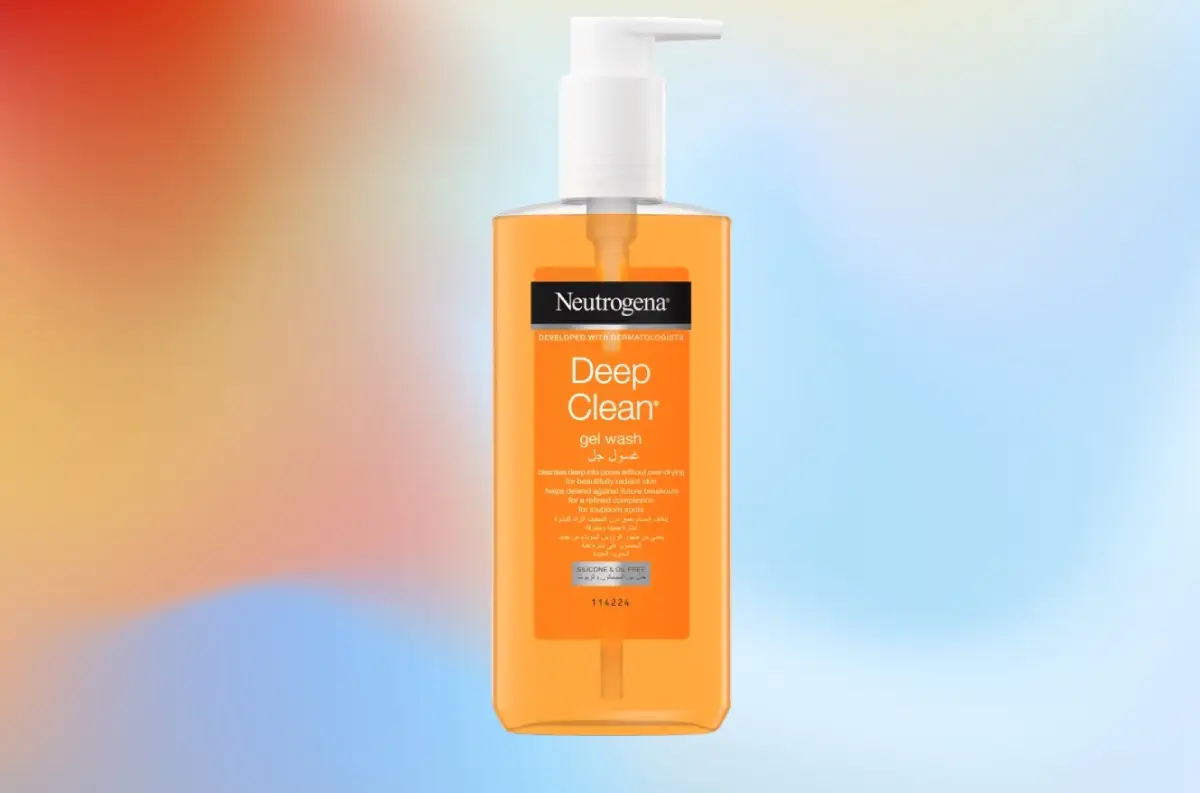
It’s a gel: thin, slightly runny, with a faint brownish tint that looks a bit odd in the bottle but disappears the second you start working it in. Lathers up quickly and the foam feels satisfying, which is honestly part of the problem. That squeaky clean feeling people love? It’s not a sign your skin is healthy. It usually means your barrier just took a hit.
Fragrance
There’s a clinical, slightly synthetic scent to it. Clean in that artificial way, not floral, not fresh. It’s not overwhelming but it’s noticeable. And given there’s zero skincare reason for fragrance to be in a cleanser, it’s an unnecessary risk, especially if your skin runs sensitive.
How To Use It
Wet your face, pump a small amount into your hands, work it into a lather and massage face for about 30 to 60 seconds, then rinse. If you’re using it twice a day and your skin feels tight, drop it to once. Morning only, or evening only. This is not a gentle formula and using it twice daily on anything other than very oily skin is going to cause problems. Oh, and avoid using it on the delicate eye area.
Product Packaging
Pump bottle, which is genuinely useful. No squeezing, no guessing how much you’re using, no product going everywhere. It’s practical. Nothing about the packaging is exciting but it doesn’t need to be.
Performance & Personal Opinion
It cleans. That part is true. Oil, dirt, the general grime of the day, gone. If you have very oily skin and your main goal is getting your face properly clean without spending much money, it does that job competently. But “deep clean” is doing a lot of heavy lifting on that label. The salicylic acid isn’t in here in any meaningful functional way: it rinses off before it has time to do anything. It does remove some dead surface cells, but it hardly cleans pores the way it implies.
And the formula is harsh enough that anyone without genuinely oily skin is going to feel it. The fragrance has no business being in here. The dryness is a real issue for a lot of people. It’s a decent basic cleanser for normal-to-oily skin at a low price point. That’s actually fine. But Neutrogena is selling it as something more targeted and more sophisticated than it is, and that’s where I have a problem with it.
What I Like About Neutrogena Deep Clean Facial Cleanser
- The pump packaging is genuinely practical
- For very oily skin, it cuts through grease properly, no messing around
- Cheap, easy to find anywhere, and a little goes a long way
- Rinses off cleanly with no residue or film left behind
What I DON’T Like About Neutrogena Deep Clean Facial Cleanser
- The “deep clean” claim is marketing. It just the surface, that’s it
- Removes dirt, grime, and excess oil
- Salicylic acid in a rinse-off formula is nearly pointless
- Fragrance in a cleanser is unnecessary and adds irritation risk for zero skincare benefit
- Dries out anyone who isn’t genuinely, properly oily
Who Should Use It?
- Your skin is genuinely oily (not combination, not “a bit shiny by midday”) actually oily
- You want a no-frills cleanser that does the basic job without costing much
- Stripping your skin isn’t a concern because your sebum production is high enough to compensate
- Don’t buy it if your have dry, sensitive, or combination skin or you’re expecting it to genuinely exfoliate or treat acne in any meaningful way
Does Neutrogena Deep Clean Face Wash Live Up To Its Claims?
| CLAIM | TRUE? |
|---|---|
| Daily facial cleanser improves the look and feel of skin by cleaning deep and removing dead surface skin. | Partly. It does improve the feel of your skin by cleansing, but it doesn’t go as deep as implied. And if you overuse it, it can dry out skin – and that certainly doesn’t improve the feel or look of skin! |
| Oil-free formula for normal-to-oily skin. | True. This is an oily skin face wash. |
Price & Availability
$7.97 at Walmart
The Verdict: Should You Buy Neutrogena Deep Clean Facial Cleanser?
If you have oily skin and you just need a daily face wash that cleans without costing much, yes. It does that. No complaints. But if you’re buying it because of the salicylic acid, or because you think it’s going to exfoliate your skin or clear your acne – don’t. You’re better off with a leave-on salicylic acid exfoliant.
Water, Sodium C14-16 Olefin Sulfonate, Cocamidopropyl Betaine, Sodium Chloride, Salicylic Acid, Peg-120 Methyl Glucose Dioleate, Peg-80 Sorbitan Laurate, Fragrance, Sodium Hydroxide, Disodium Edta, C12-15 Alkyl Lactate, Polyquaternium-7, Yellow 5, Red 40