


6 Home Additions That Opened Up the Rest of the House

When a house starts to feel too small, the pressure usually falls on the rooms people use every day. The kitchen, dining area, and living room end up doing the most, from meals and homework to downtime and hosting.
Our team at Sweeten has compiled a list of renovations in which home additions created more space for cooking, gathering, and everyday life. Read on to see how rear extensions, sunrooms, and garage conversions helped open up the rest of the house.
Key points
- Rear extensions can open up kitchens and dining areas, bringing more light, better flow, and added storage to the busiest part of the house.
- Sunrooms, family room additions, and garage conversions can create the extra living space families need without altering the whole-home feel.
- Larger expansions can improve more than square footage by making shared spaces feel more connected, comfortable, and easier to use every day.
- Even reworking an older addition can have a big impact when it helps the kitchen and main living areas feel more open and better tied to the rest of the house.
1) A Bronx sunroom addition with room to spare
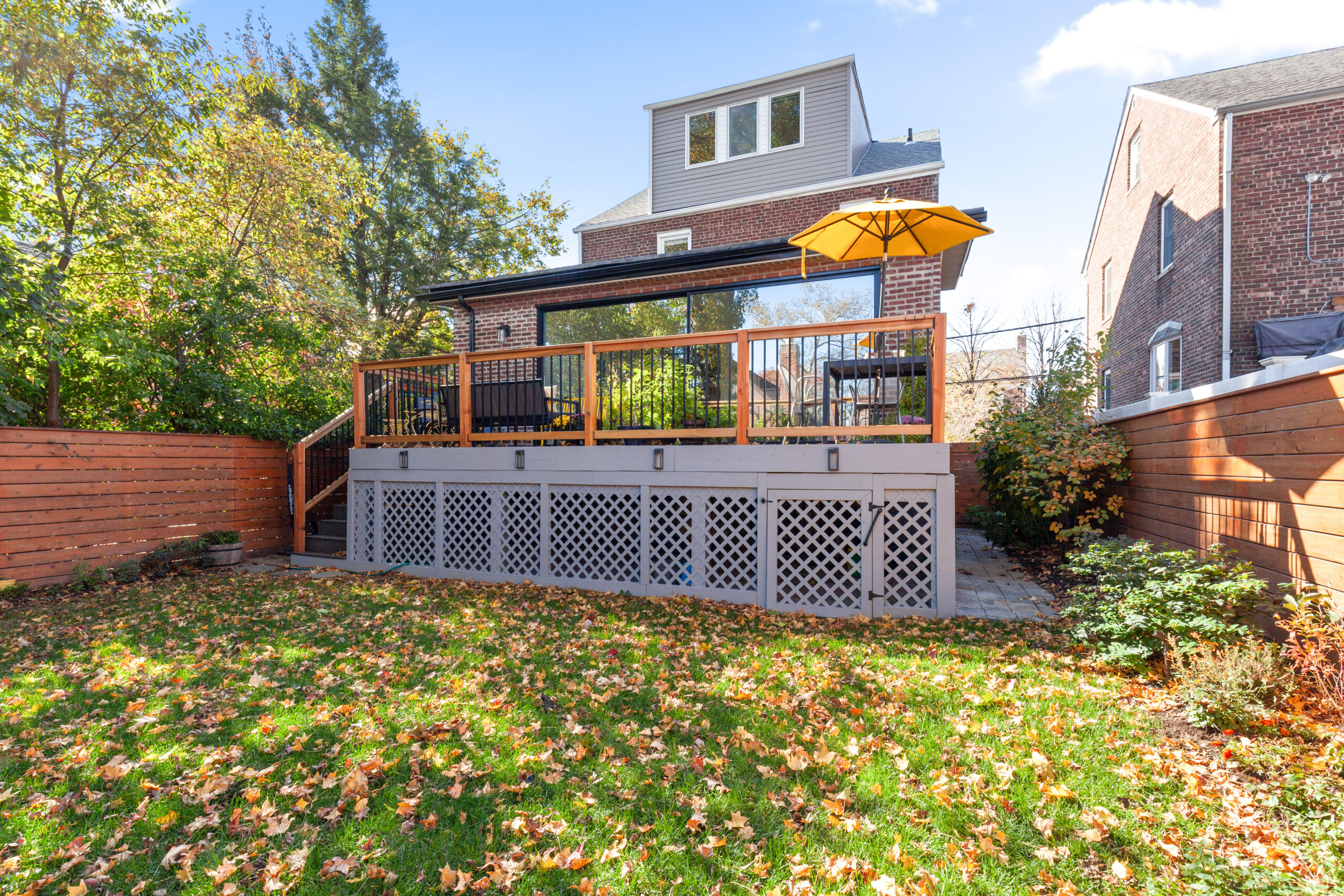
A sunroom addition can add flexibility to the main floor without losing the warmth of a lived-in family home. It can carve out more space for lounging, storage, or even a bathroom, while also improving the connection between the kitchen and the rest of the house. When paired with a deck or dormer, it can make the home feel more complete inside and out.
In Morris Park, the Bronx, Alicia added a 280-square-foot sunroom with a bathroom, pantry room, and living area, along with a 250-square-foot deck and a dormer upstairs. The kitchen was also updated with a passthrough window and an extended counter, which helped tie the original space to the new addition and made the main level easier to use.
A sunroom addition works best when it’s planned as part of daily life, so keep these ideas in mind:
- Give the room more than one job so it supports how the household actually lives
- Add a bathroom if the addition sits near the kitchen or main shared spaces
- Think through how the kitchen connects to the new room visually and practically
- Use the project to improve both indoor comfort and outdoor access
Planning to renovate? Get free cost estimates from our partner GCs!
Get matched with our vetted general contractors and receive at least 3 quotations for free! You can also find endless home renovation inspiration, detailed guides, and practical cost breakdowns from our blogs.
2) Rear extension that doubled a Queens kitchen
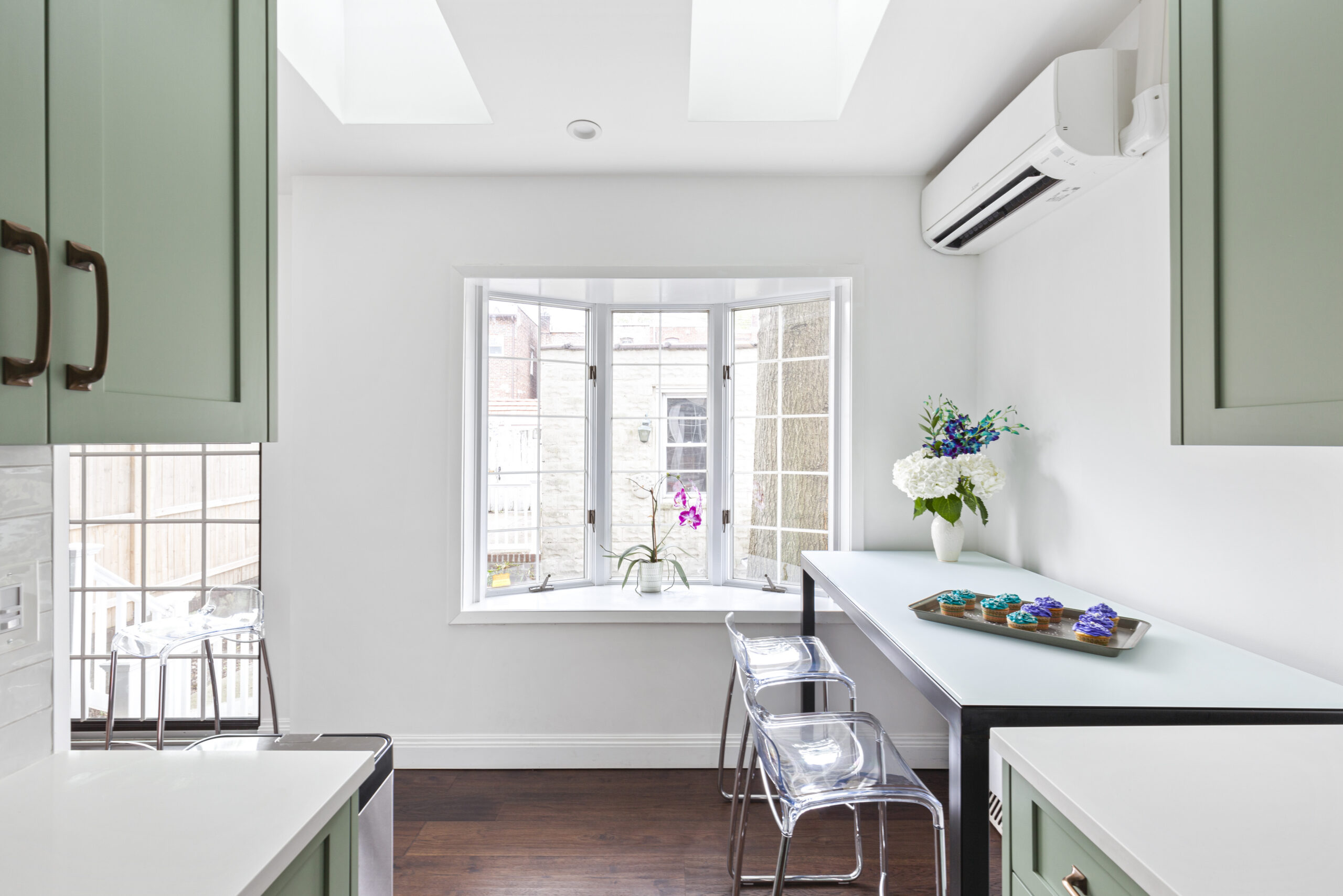
A rear extension can change a home’s feel in a very practical way. It gives the kitchen and dining area more room to breathe, brings in better light, and helps the busiest part of the house feel less squeezed. When the layout is handled well by the general contractor, the added space can also improve storage and make the main floor easier to use.
In Rego Park, Queens, Laura extended the back of their 1929 townhouse and folded the old patio into the kitchen and dining area. They kept the galley layout but added skylights, moved a doorway, and worked in a tall pantry cabinet, which helped the space feel brighter, more open, and more organized.
Here are a few ways to help a rear extension feel worth the added space:
- Add overhead light sources if the new space reaches deep into the house
- Rethink the layout around the addition so traffic flows more naturally
- Include kitchen pantry storage early so the added square footage feels useful right away
- Keep the finish palette simple if you want the new work to blend with the original home
3) A family room addition for a Westchester home
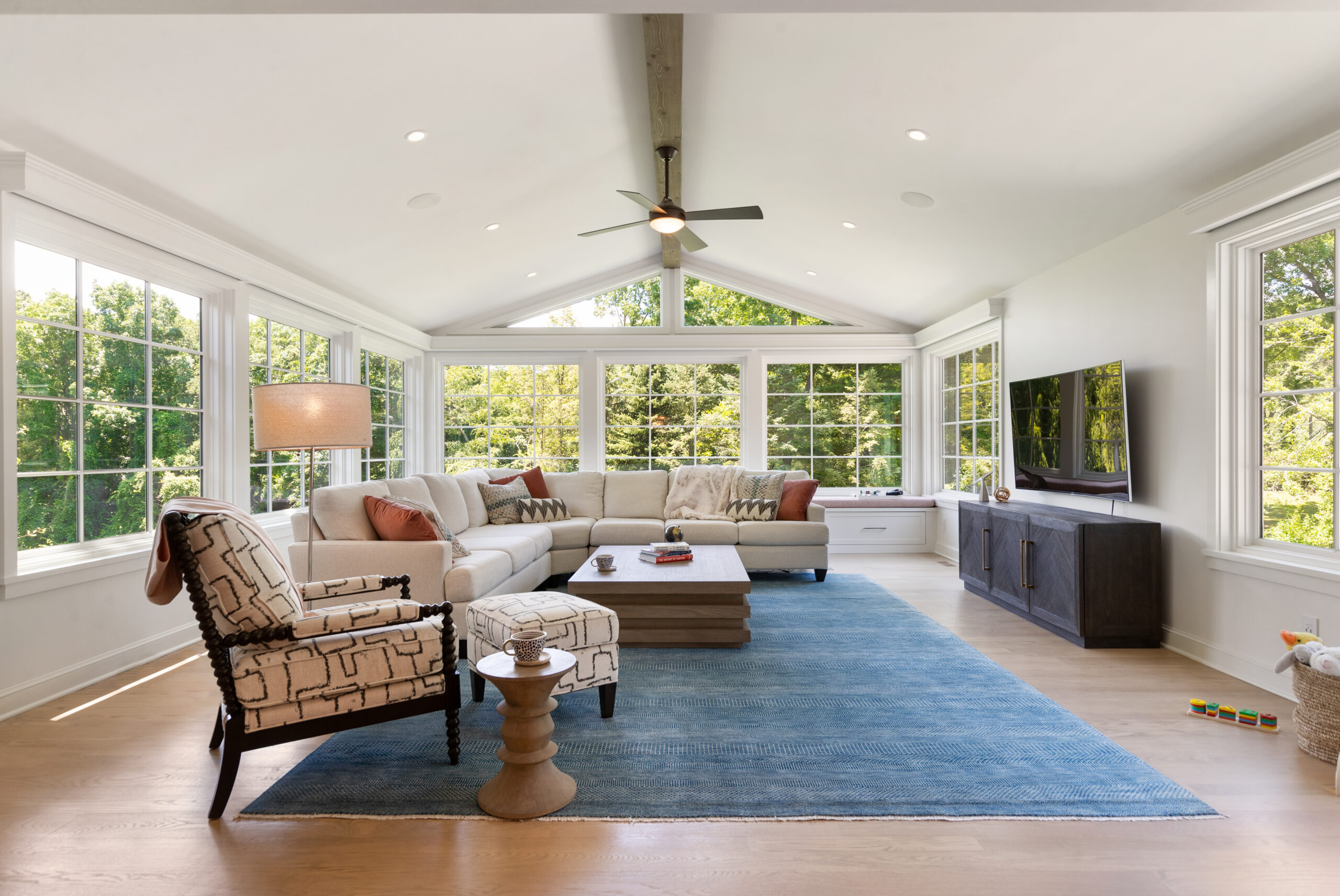
A family room addition works best when it provides a place for everyone to come together. It can turn a large house into one that feels easier to live in by creating a shared space for relaxing, entertaining, and spending time as a group. It also helps the main floor feel more grounded, especially when the new room connects well to the yard or other gathering areas.
In Harrison, Westchester County, Shana helped shape a 750-square-foot expansion that added a new family room for a large extended family. The addition extended into the backyard, brought in windows on three sides, and strengthened connections to the screened-in porch, deck, and pool area, making the home a more inviting place to gather.
To help a family room addition feel connected to the rest of the house, focus on these details:
- Place the new room where it can link naturally to outdoor living areas
- Use generous windows to keep the space bright and tied to the landscape
- Plan for built-in storage so the room stays functional over time
- Make sure the addition improves the flow of the main floor as a whole
4) A Los Angeles expansion with more room to live
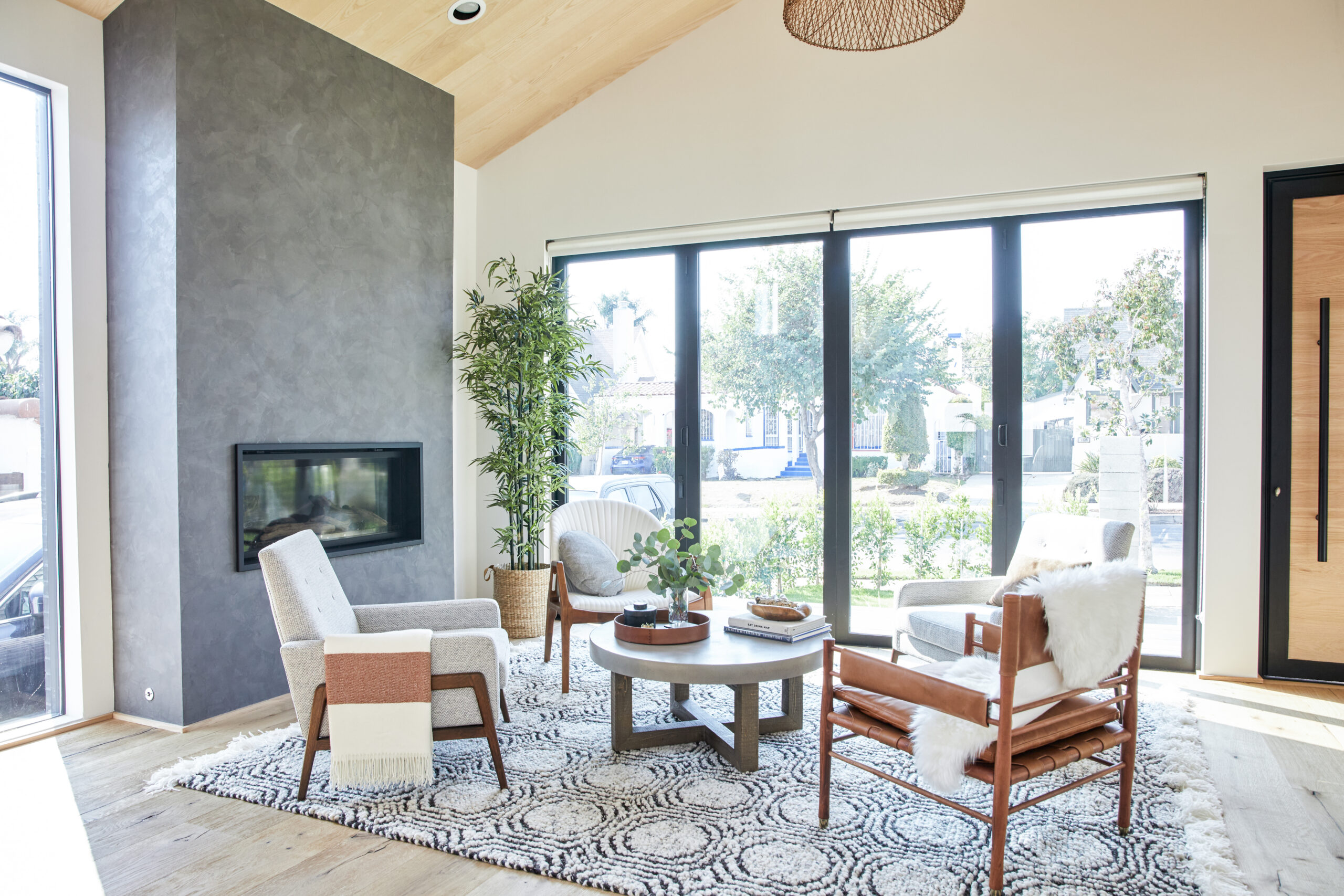
A larger home expansion can solve more than one layout problem at once. Instead of easing pressure in just one room, it gives homeowners a chance to improve how shared spaces connect, how light moves through the house, and how the home supports daily routines. The strongest ones feel cohesive, with the old and new parts of the house working together naturally.
In the Mid-City and Miracle Mile area of Los Angeles, Kirsty and David added 1,400 square feet to the front and back of their home. The expansion enlarged the family room, primary suite, and bathroom, while a raised kitchen ceiling, skylight, and 10-foot glass bi-fold doors helped the shared living spaces feel brighter, more open, and better connected to the yard.
If you’re planning a larger expansion, these choices can help the new space feel cohesive:
- Use the added square footage to improve the whole layout, not just individual rooms
- Add ceiling height or large openings where they’ll have the biggest effect
- Build storage so the larger footprint stays calm and uncluttered
- Keep the new work consistent with the original home inside and out
5) A garage conversion that became a living room
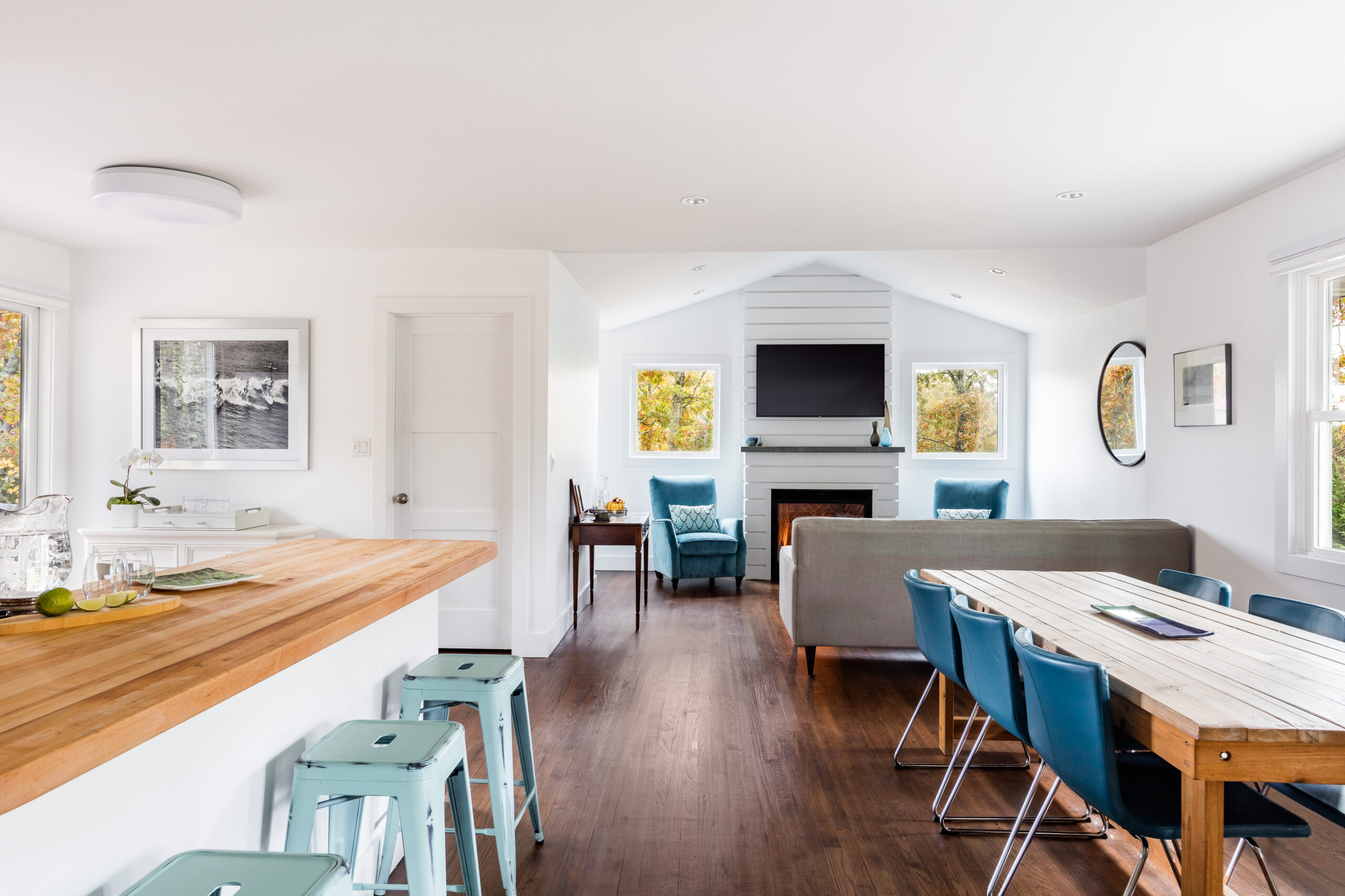
A garage conversion can be a smart way to add living space without changing the footprint of the house too dramatically. It works especially well when a home needs a better gathering area, more storage, or a stronger connection between the kitchen and the main living spaces. The goal is to make the converted area feel like it was always meant to be part of the house.
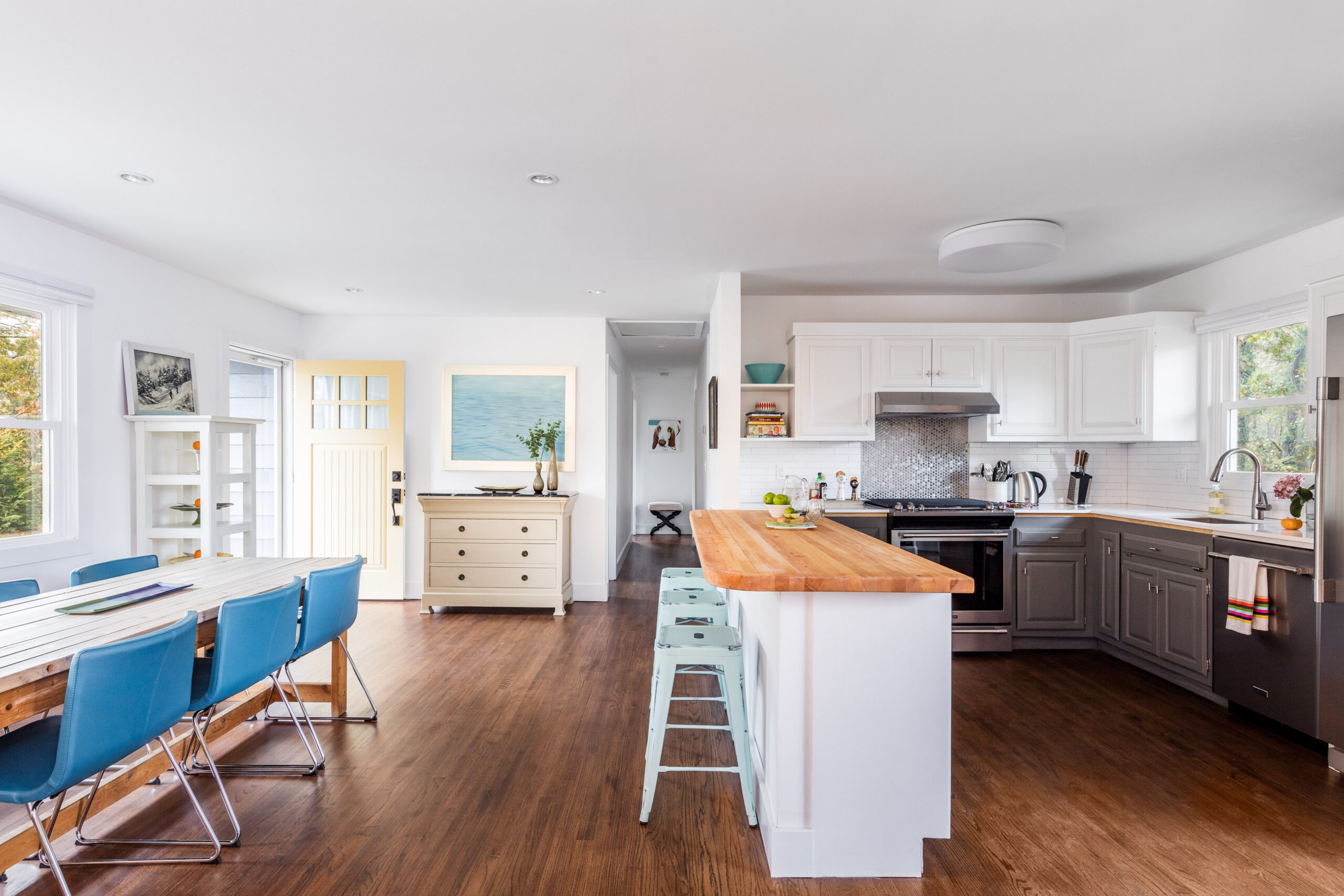
In Southampton on Long Island, Rosaire converted a 14-by-24-foot garage into a new living room with a vaulted ceiling, a shiplap fireplace, and a walk-in pantry off the kitchen. The change expanded the home from 800 to 1,350 square feet and gave her more room for entertaining, better storage, and a more comfortable shared living area.
A garage conversion can feel seamless with the right planning, especially if you focus on these points:
- Decide early whether the new room needs to prioritize living space, storage, or both
- Add architectural details so the conversion feels intentional and finished
- Use part of the former garage for pantry or utility storage near the kitchen
- Consider the exterior too so the new room feels integrated from the street
6) A Brooklyn sunroom that opened up the main floor
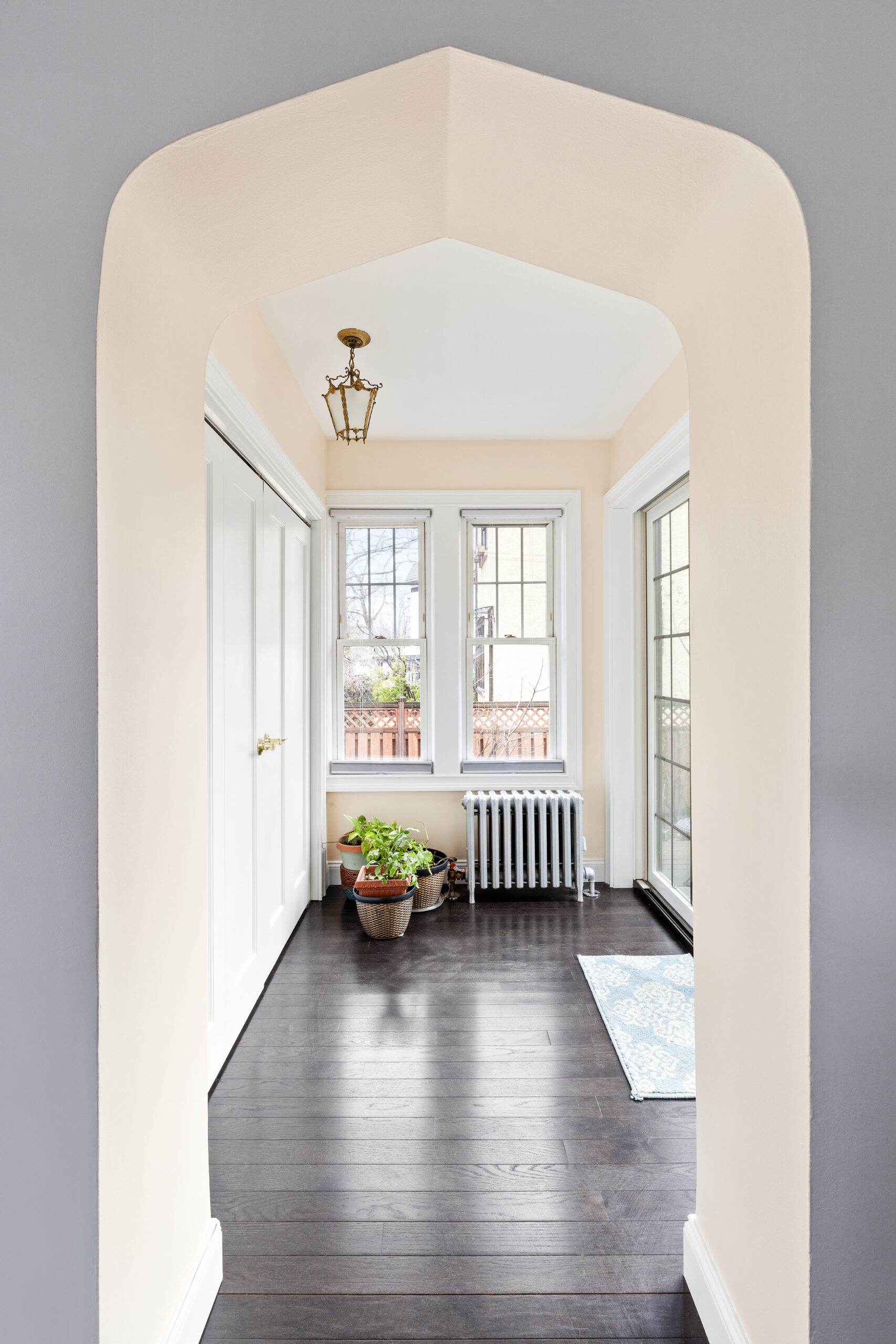
Turning an adjacent room into a sunroom can open up the rest of the house in a quiet but meaningful way. It can pull more light into older interiors, improve the connection between shared spaces, and create a more relaxed everyday flow without requiring a major new wing. In many homes, reworking what’s already there can go just as far as building from scratch.
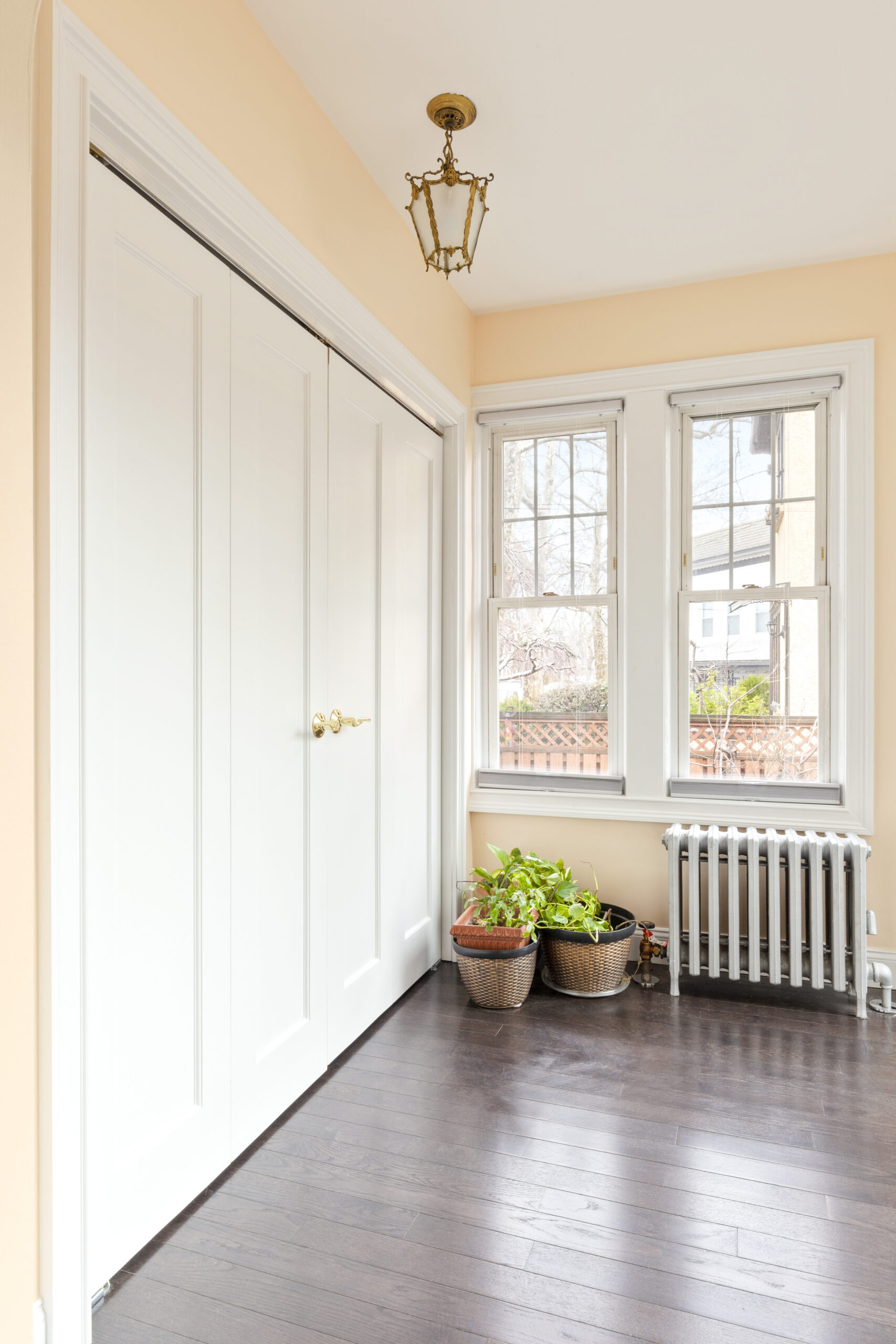
In South Slope, Brooklyn, Sandra and Nelson reworked the ground floor by turning an office next to the kitchen into a sunroom and adding a new glass door to the deck. They also replaced the old kitchen door with a large window and removed walls to bring in more light, which helped the kitchen, dining, and living areas feel more connected.
When an existing room is being turned into a sunroom, these ideas can help it blend in naturally:
- Use the new room to bring daylight deeper into nearby spaces
- Add storage nearby so the extra square footage supports daily routines
- Swap poorly placed doors for windows when it improves the layout
- Keep original details that still serve the home and add character
Bonus: reworking an older addition for a better kitchen
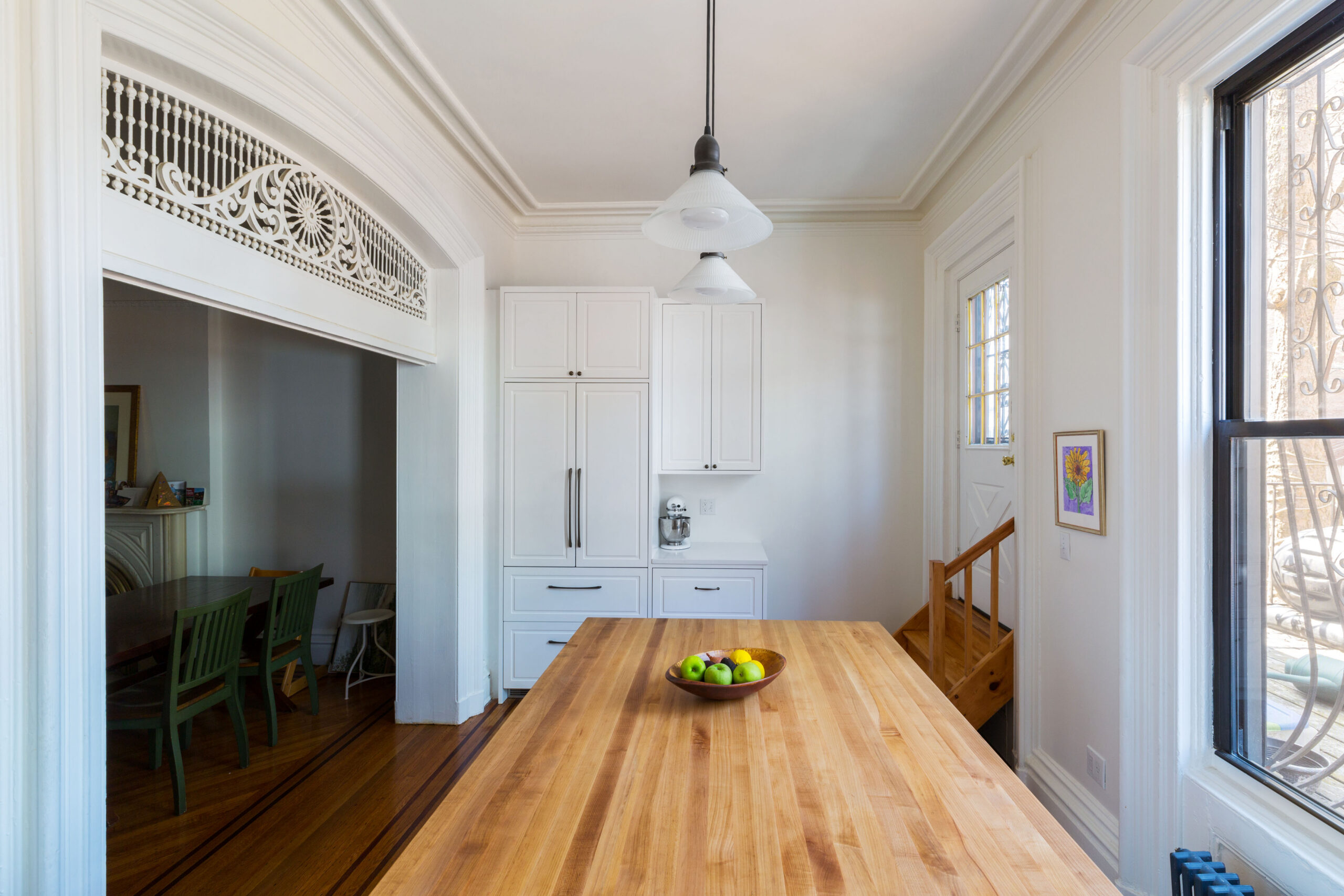
Reworking an older addition can be just as valuable as building a new one. If the space already exists but feels cramped or disconnected, opening it up can improve how the kitchen relates to the rest of the home and make everyday life feel less boxed in. Sometimes the real fix isn’t more square footage, but better use of the square footage already there.
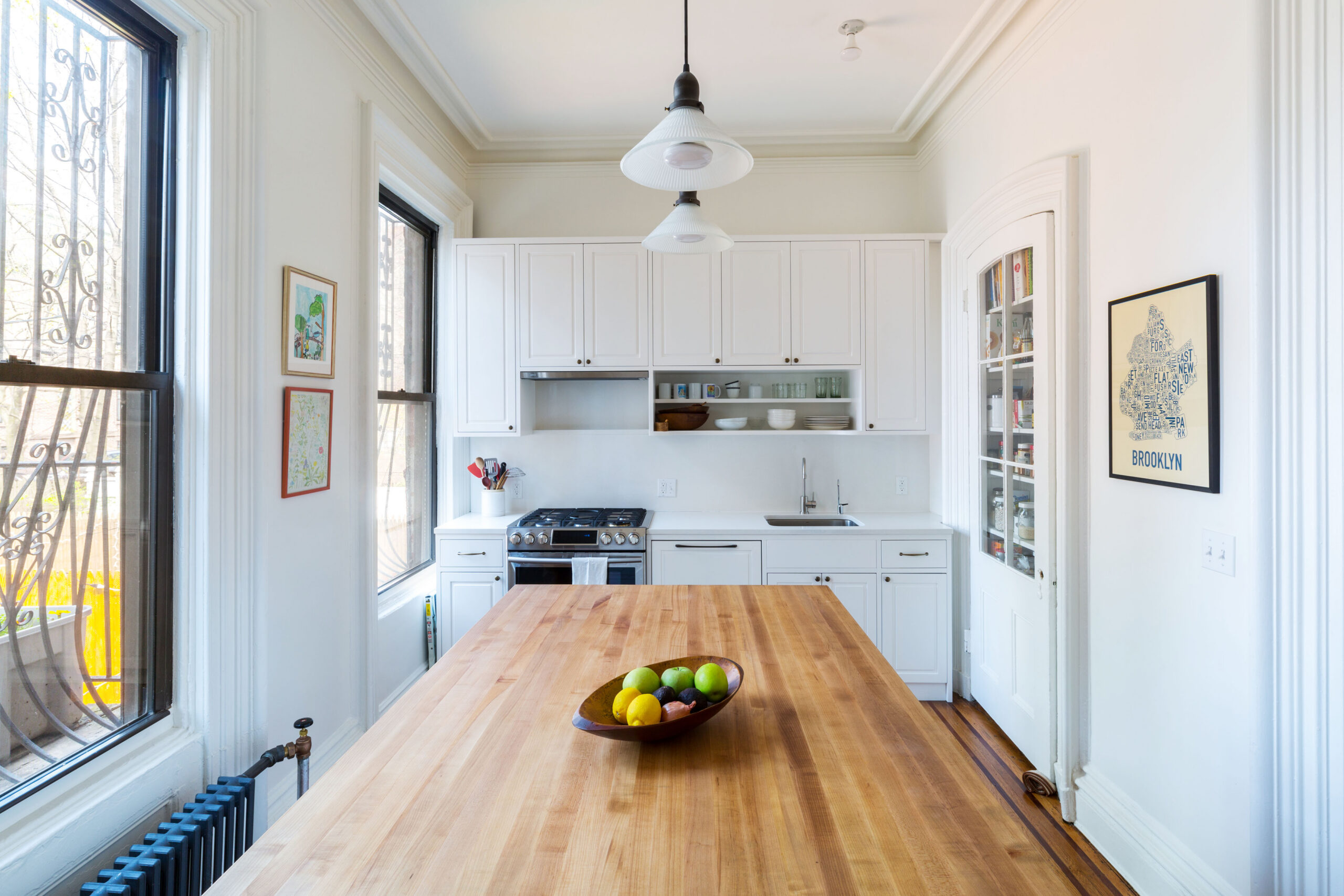
In Clinton Hill, Brooklyn, Kate remodeled a cramped kitchen located in an older addition at the back of their townhouse. They opened the kitchen to the rest of the apartment, added custom cabinetry, and used integrated appliances, which gave them better storage and a more welcoming family space.
If you’re reworking an older addition, these moves can help the space feel more useful and pulled together:
- Study the existing layout before assuming the answer is more square footage
- Use custom cabinetry if storage needs to do a lot in a small space
- Choose integrated appliances when the kitchen is in view of other rooms
- Pick finishes that help the remodeled area feel connected to the rest of the home
Ready to start your own renovation journey?
Post your project on Sweeten for free and make your dream home addition a reality. Sweeten puts you in control of your renovation, from finding the perfect contractor and gathering design inspiration, to using cost guides to plan your budget wisely. Renovate expertly with Sweeten.
Frequently asked questions
What is a home addition?
A home addition is a renovation that adds new square footage or expands an existing part of the house. It can make the home feel more open and useful by creating space for everyday living, whether that means a bigger kitchen, a new family room, or a sunroom.
What is the purpose of an addition?
The purpose of an addition is to give a home more space and improve how it works for the people living there. In renovations like the ones featured in the blog, additions helped open up kitchens, connect main living areas, and create more room for gathering, storage, and daily routines.
What are the most popular home additions?
Some of the most popular home additions are rear extensions and sunrooms. Family room additions and garage conversions are also common because they can add flexible living space and improve how the rest of the house connects.
{“@context”:”https:\/\/schema.org”,”@type”:”FAQPage”,”mainEntity”:[{“@type”:”Question”,”name”:”What is a home addition?”,”acceptedAnswer”:{“@type”:”Answer”,”text”:”
A home addition is a renovation that adds new square footage or expands an existing part of the house. It can make the home feel more open and useful by creating space for everyday living, whether that means a bigger kitchen, a new family room, or a sunroom.”}},{“@type”:”Question”,”name”:”What is the purpose of an addition?”,”acceptedAnswer”:{“@type”:”Answer”,”text”:”
The purpose of an addition is to give a home more space and improve how it works for the people living there. In renovations like the ones featured in the blog, additions helped open up kitchens, connect main living areas, and create more room for gathering, storage, and daily routines.”}},{“@type”:”Question”,”name”:”What are the most popular home additions?”,”acceptedAnswer”:{“@type”:”Answer”,”text”:”
Some of the most popular home additions are rear extensions and sunrooms. Family room additions and garage conversions are also common because they can add flexible living space and improve how the rest of the house connects.”}}]}
The post 6 Home Additions That Opened Up the Rest of the House appeared first on Sweeten.