


Water bills to rise £33 a year, but you could get a discount

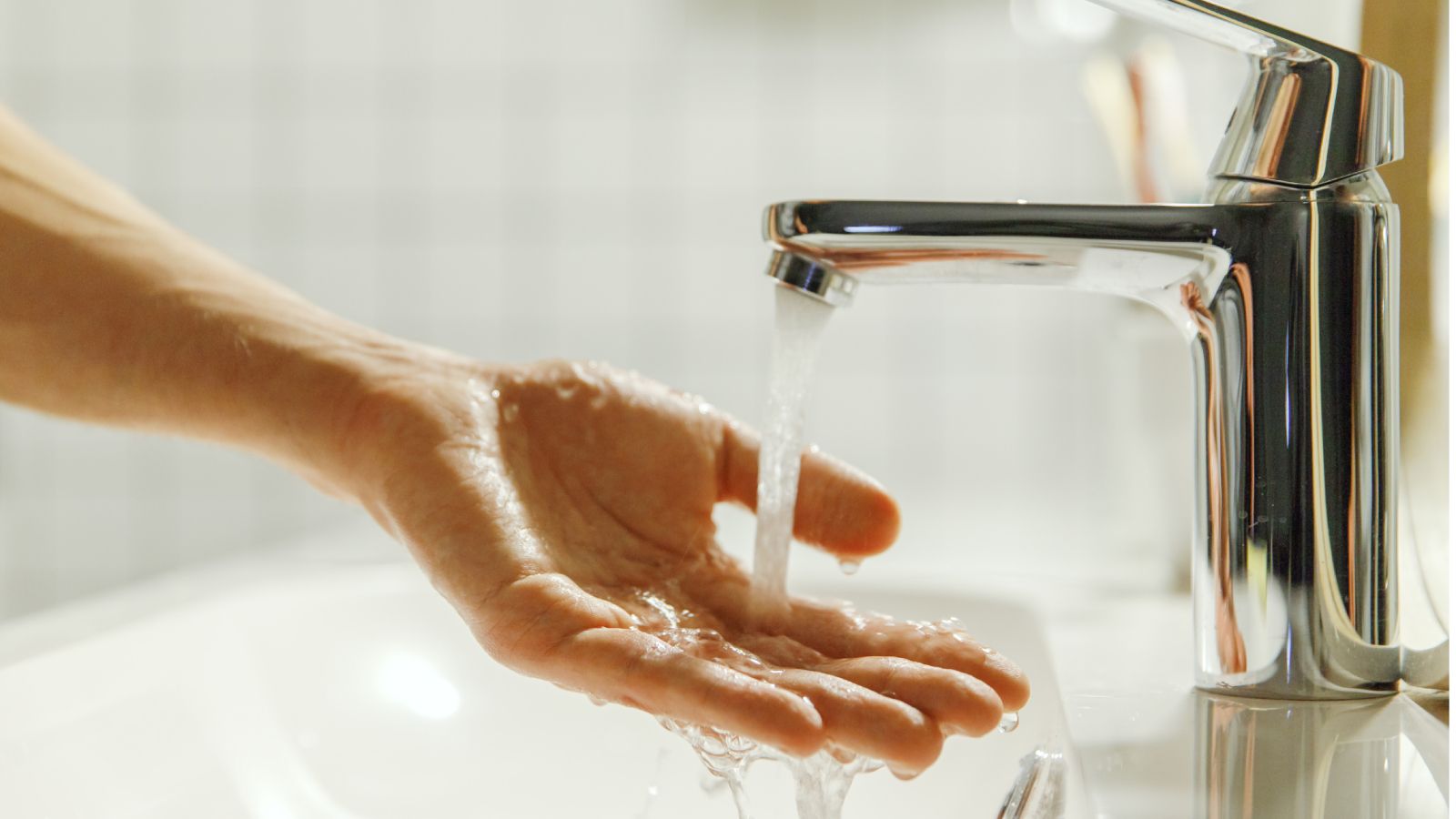
From April 2026, the average household in England and Wales will see its water bill increase by £33 a year, or roughly £2.70 per month.
The rise, which is 5.4% and above the current inflation rate, is intended to fund a record £104 billion programme of improvements to water and sewage infrastructure across the country.
While this increase may be unwelcome, more households than ever are set to qualify for help with water bills, potentially receiving discounts and reducing the financial impact for those who need it most.
Why water bills are rising again
Over 2026 and 2027 alone, companies plan to invest £20 billion in projects including new reservoirs, upgraded treatment works, and replacement of old water mains.
Regulators say that all spending is necessary, cost-effective, and delivers value for money, with a promise that bills will be refunded if improvements are not completed.
Discounts and support for households
To help households cope with rising costs, around 2.5 million homes will receive discounts through social tariffs, the WaterSure scheme, and other affordability measures.
That is an increase of 300,000 households compared with previous years, with an expected average discount of around 40%.
Support varies depending on local circumstances, including payment breaks, reduced bills, and in some cases, debt forgiveness, making it important for customers to contact their water company to see if they qualify.
Regional variation and what you can do to save
Bills will vary significantly depending on where you live, with some regions seeing increases as high as £55 a year, while others rise by just a few pounds.
For example, Southern Water customers may pay £55 more annually, while Thames Water customers face an average rise of just £3.
Households can check eligibility for discounts through their water provider’s social tariffs, the WaterSure scheme, or other affordability programmes.
Eligibility typically depends on income, benefits received, or medical needs, and most companies offer online calculators or customer service guidance to estimate potential savings.
This could benefit millions of homeowners and allow them to actually save rather than spend more on their water bills.